Define the load and the footprint
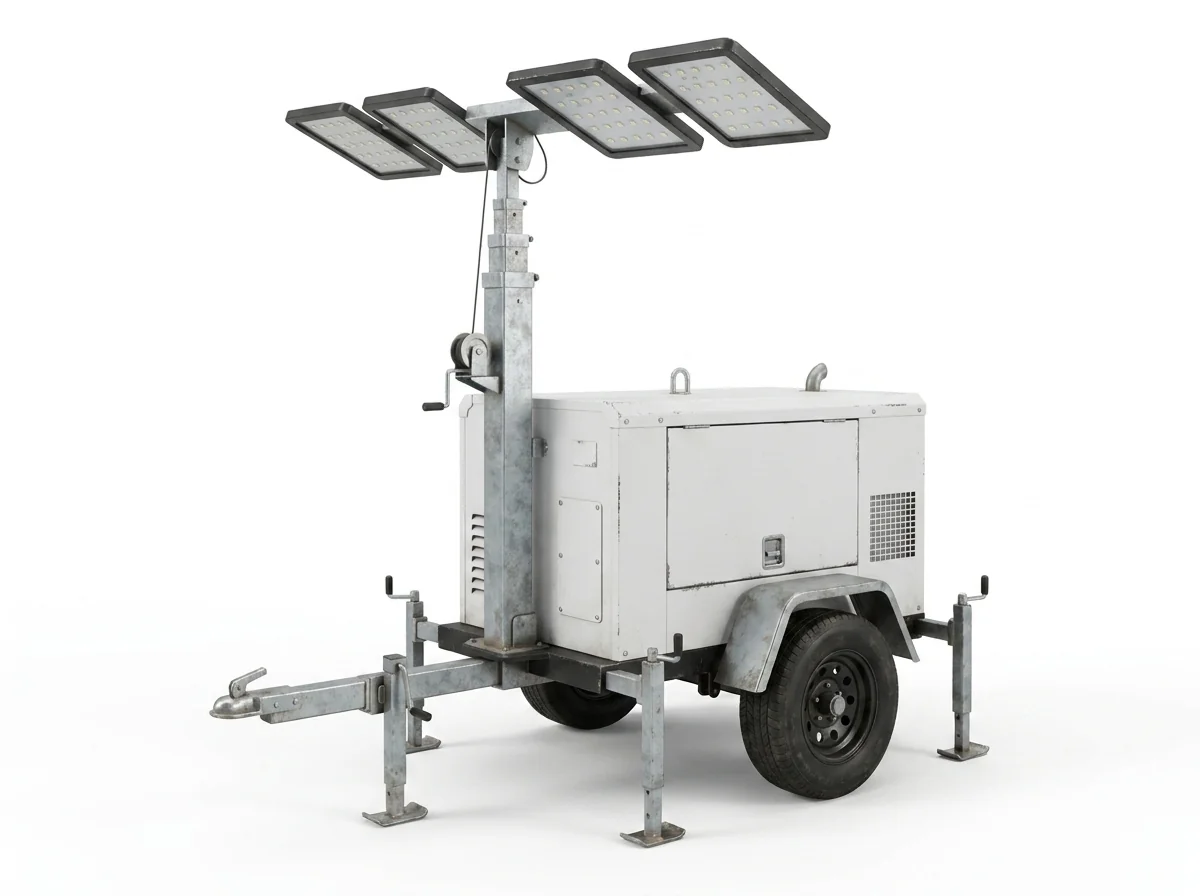
Start by sketching the electrical or lighting footprint. - Where are the receptacles or light heads relative to the work? Long cable runs across loading aprons add trip exposure and voltage drop. - Can the machine sit below the task, or must it be centered in a narrow aisle? In local distribution buildings, aisle width can limit trailer-mounted units. - For lighting, identify shadows from racking, stacked pallets, or site trailers; tower mast height and head aim matter when illuminating dock rows.
Access route through active yards
Dayton’s distribution yards cycle traffic all day. The route from staging to the pad often crosses dock lanes and concrete-to-gravel transitions. - Note curb cuts, dock plates, and any soft edges near drainage swales along river-valley sites. - Confirm turning radius at gate pinch points and where snow berms or seasonal mud narrow paths.
Surface, stability, and wind exposure
Most local sites use flat slab or compacted aggregate, but open corners near industrial rail spurs can be gusty. - For light towers, mast stability depends on level setup and surface pressure; verify pad size if placing on compacted aggregate. - For generators, vibration and exhaust direction matter near exterior walls and intake louvers on warehouse corners.
Runtime, fuel, and climate considerations
The regional climate brings cold starts and humid summer nights. - Cold mornings can affect battery cranking on generator sets and condensation in fuel systems; plan inspection intervals that fit shift changes. - Light towers used for early-morning staging benefit from placement that avoids head-on glare into driver approach paths.
Coordination with lift work
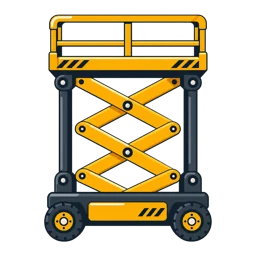
If a scissor or boom will plug into temporary power, confirm combined amperage and breaker sizing. For indoor elevated work at distribution heights, see /electric-scissor-lift-rental/ or /aerial-lift-rental/ for platform demands that influence generator sizing and cable routing. Exterior tasks on uneven ground may require /rough-terrain-scissor-lift-rental/ or /boom-lift-rental/, which changes tower placement and glare angles.
When storage or perimeter control also matters
Projects that add temporary inventory or long-term staging may pair power and lighting with /storage-containers-rental/ and /temporary-fencing-barricades-rental/. Tight yard layouts near the logistics interchange benefit from planning these zones together to keep travel lanes clear.