Access constraints define the category
Start with the route from staging to the work zone: - Narrowest doorway and corridor width - Turning space at corners and end-of-aisle positions - Floor rating and sensitivity to point loads near drains and joints
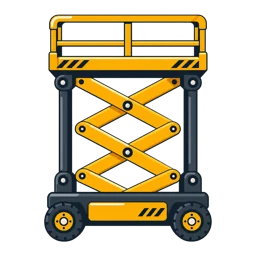
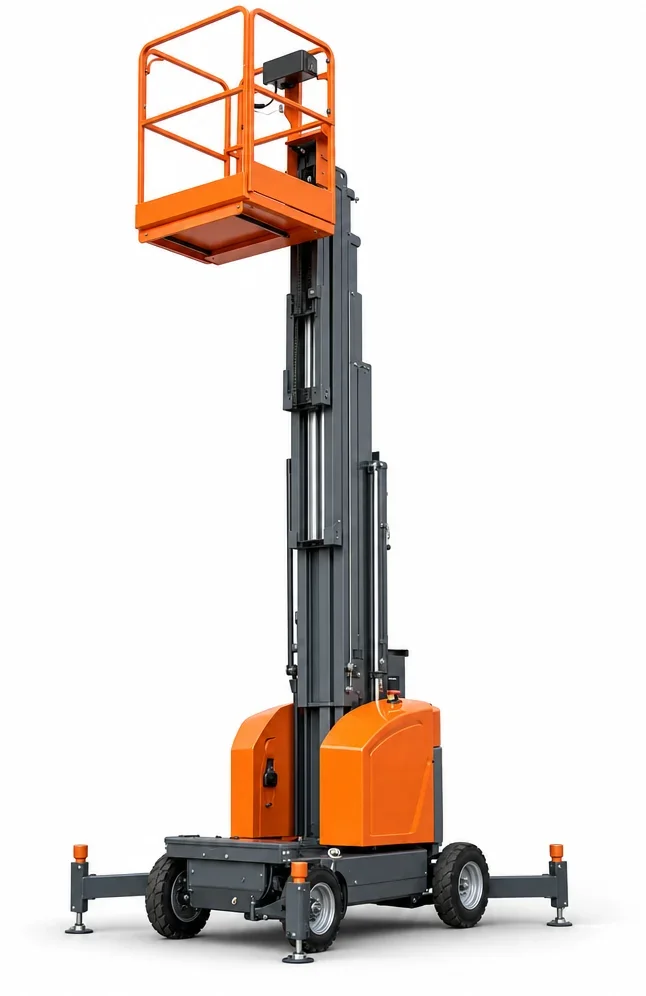
Vertical mast lifts excel when a scissor deck is too wide or heavy for the approach. Non-marking tires and compact footprints reduce impact on finished slabs, making them ideal for maintenance above packaging lines and equipment aisles.
Work envelope vs. aisle geometry
Mast lifts provide vertical reach with limited horizontal offset. In Dayton’s dense interiors, the key question is whether the task sits directly above the set position. If it does, a mast lift minimizes disruption. If the work is offset behind piping or conveyors, see /articulating-boom-lift-rental/ for up-and-over capability.
Power and environment in regional seasons
Electric power is standard for indoor mast work. In colder periods, battery performance can dip, especially near open dock doors. Planning charge access close to the work area and scheduling around peak cold helps maintain consistent runtime.
When another lift fits better
- Wider platforms for two-person tasks on smooth slabs: /electric-scissor-lift-rental/
- Exterior or uneven approaches: /rough-terrain-scissor-lift-rental/
- Long horizontal outreach outdoors: /telescopic-boom-lift-rental/
Planning checklist
- Route clearances from staging to task
- Floor loading limits and surface condition
- Required working height directly above the set position
- Charging access and weather exposure near openings
Actual conditions, the selected unit’s instructions, and site procedures govern elevated indoor work.