Position relative to workflow
- Can the container sit below the task, or must it align flush with a dock edge? On sprawling logistics sites, placing along a straight push path shortens travel with pallet jacks and forklifts.
- If serving elevated work, align storage with scissor or boom staging to reduce lift idle time. See /electric-scissor-lift-rental/ for indoor maintenance support or /rough-terrain-scissor-lift-rental/ for exterior projects.
Access route and delivery constraints
- Note gate widths, turning radii, and any overhead restrictions near racking overhangs or canopy edges.
- Identify slab joints, curb lips, and transitions from concrete to aggregate; soft shoulders near river-valley drainage can rut under container corner loads.
Surface and stability in a four-season climate
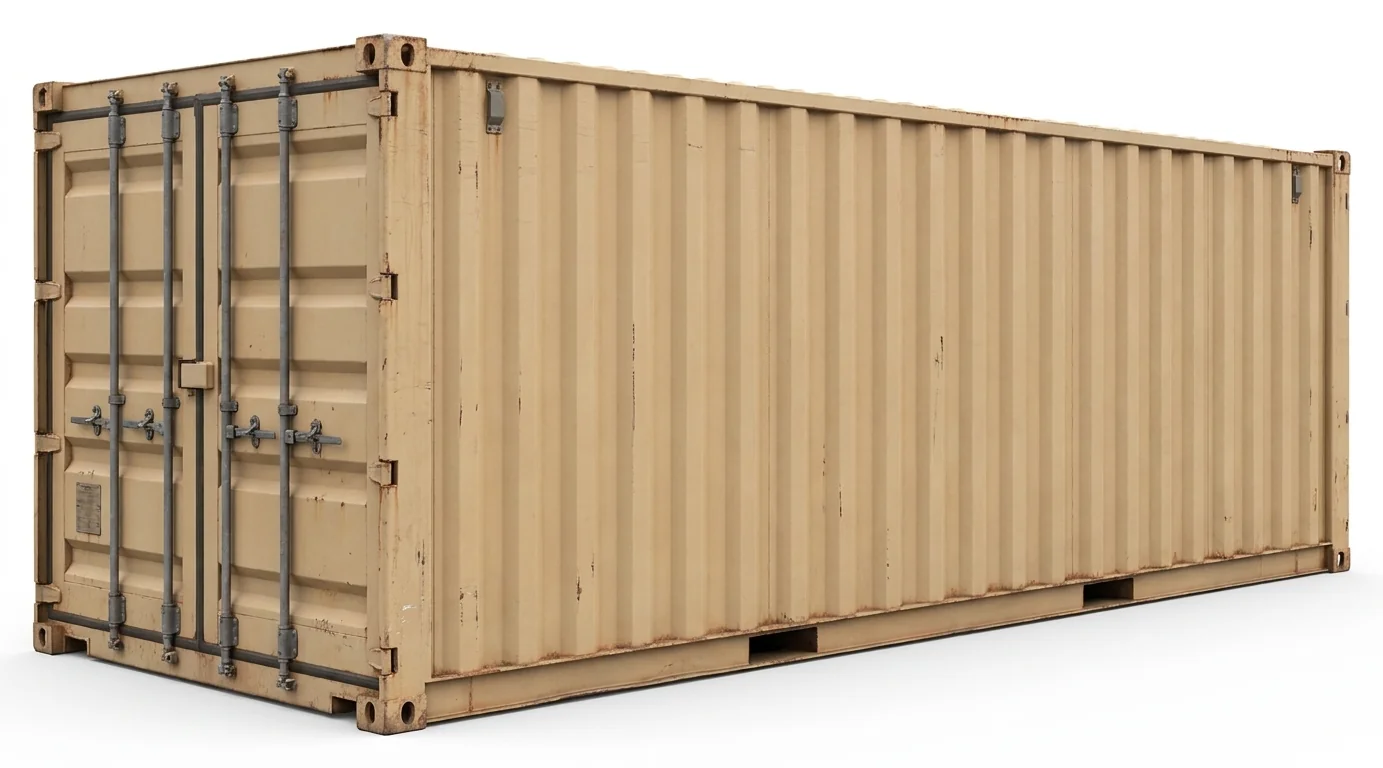
- Containers concentrate weight at the corners; flat, well-draining surfaces limit settlement when precipitation is high.
- Freeze–thaw cycles can tilt units left-to-right; account for door swing clearance if the pad isn’t perfectly level.
Security and visibility within active yards
- Place where site lighting reaches both doors and approach paths; pairing with /generators-light-towers-rental/ can improve pre-dawn visibility at busy docks.
- Perimeter organization with /temporary-fencing-barricades-rental/ helps define laydown zones so lift routes remain open.
Contents, condensation, and ventilation
Dayton’s humidity swings can cause interior condensation on metal walls. - Consider the sensitivity of stored materials to moisture and temperature changes. - Elevate pallets internally where feasible and plan check intervals during rapid weather shifts.
Interface with material handling
Forklifts and telehandlers need predictable approach angles. If staging heavy components for aerial access, review /telehandler-rental/ and /forklift-rental/ to understand turning space and fork height relative to container doors.